How This Work Began
Journalism's history is often told through headlines and major events, but the individual stories behind those moments rarely receive the attention they deserve.
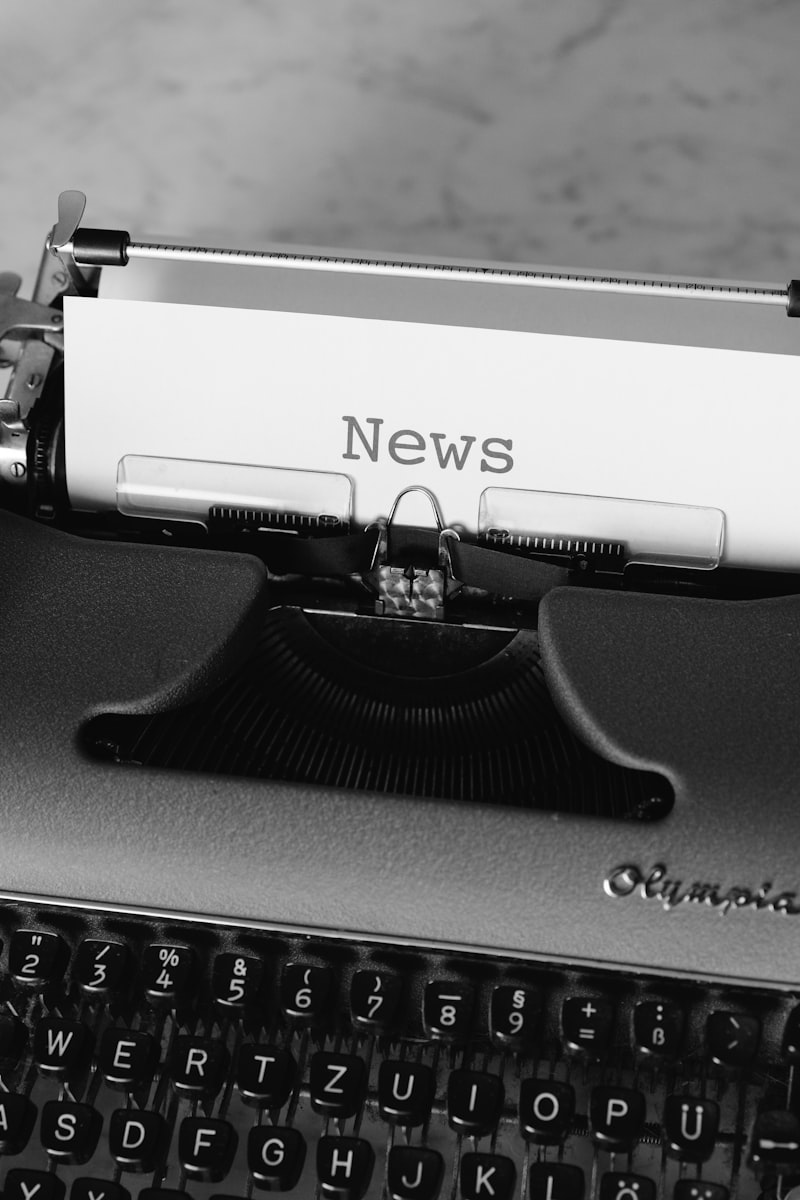
Our founder spent fifteen years working in various newsrooms before transitioning to archival research. During that time, she witnessed how quickly institutional memory fades. Reporters who had covered defining moments would retire, and their insights would disappear unless someone made the effort to preserve them.
In 2019, while researching a story about environmental reporting in the 1970s, she discovered that many primary sources had never been properly catalogued. Interviews existed only on degrading cassette tapes. Personal notes sat in unmarked boxes. Critical context was being lost simply through neglect.
Why We Focus on Process
Most journalism history concentrates on outcomes. We became interested in process. How did reporters develop sources? What ethical dilemmas did they navigate? When did they decide a story was ready to publish? These questions reveal more about journalism's craft than simply recounting published articles.
"Understanding how a story was reported is often more valuable than just reading the final article."
— Rachel Morrison, investigative reporter, 1985
Process documentation also helps current journalists. When facing similar challenges, they can see how experienced reporters approached analogous situations. This isn't about creating formulas, but rather expanding the range of considered options.
Our Team
We work with three full-time researchers, each bringing distinct expertise. One specializes in broadcast journalism history, another in print investigative work, and the third in international correspondence. This diversity ensures we can handle projects across different journalism traditions.

We also maintain relationships with retired journalists who serve as consultants. Their first-hand experience provides crucial context that no amount of archival research can fully capture. They help us avoid misinterpreting decisions that made sense within specific professional contexts.
Our Standards
Every claim we make must be verifiable. When sources conflict, we note the discrepancy rather than choosing the more dramatic version. If we cannot confirm something through at least two independent sources, we label it as unverified.
This approach sometimes frustrates clients who want cleaner narratives. But accuracy serves everyone's interests better than compelling fiction. Journalism's real stories are remarkable enough without embellishment.
What Drives This Work
Ultimately, we believe that understanding journalism's past makes better journalism possible today. Current reporters shouldn't have to reinvent solutions to problems their predecessors already solved. Educators shouldn't have to rely on simplified accounts that strip away useful complexity.
The media landscape continues evolving rapidly. But many fundamental challenges remain surprisingly consistent. Access. Verification. Fairness. Deciding what audiences need to know versus what they want to know. These tensions have existed since the earliest days of organized journalism, and studying how previous generations navigated them provides genuine value.